Synchronizing Real-Time Sports Data with Promotional Offers on Sweden's Licensed Mobile Platforms
Willa Lang · Sep 3, 2026
Synchronizing Real-Time Sports Data with Promotional Offers on Sweden's Licensed Mobile Platforms
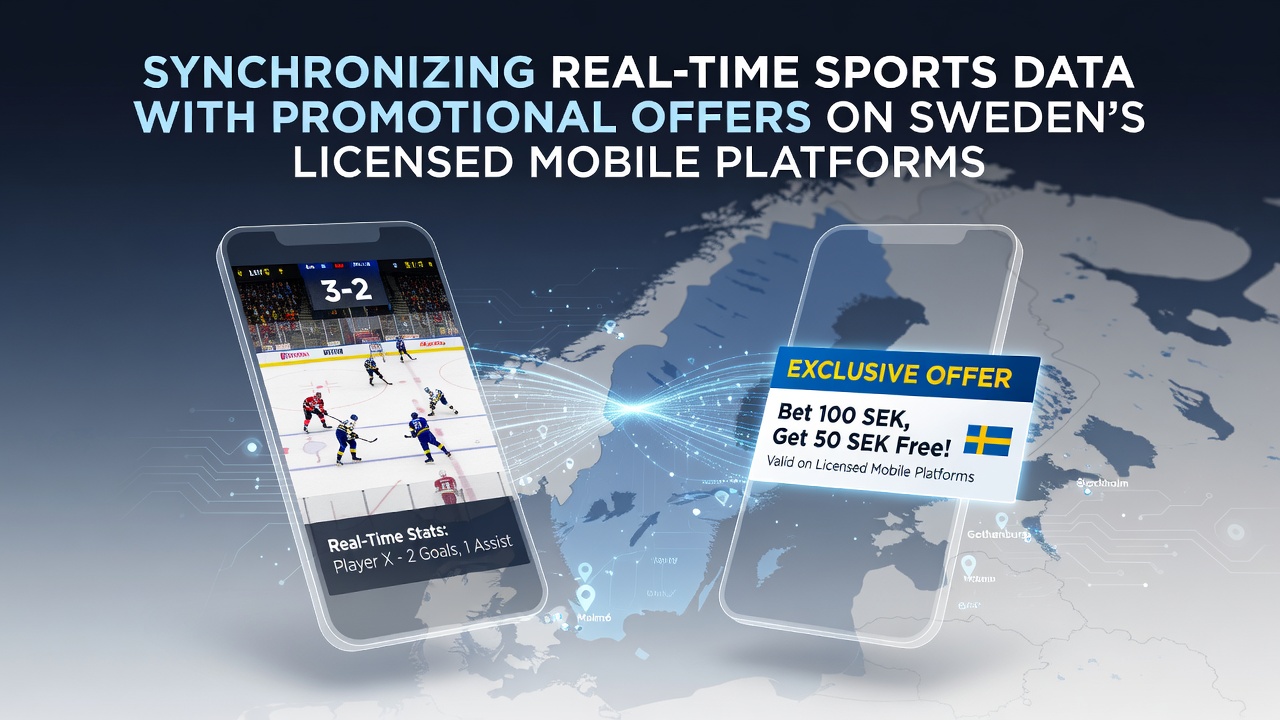
Swedish licensed mobile platforms handle synchronization between real-time sports data and promotional offers through structured API connections that pull live event information directly into bonus management systems, and this process operates under oversight from Spelinspektionen while platforms update their infrastructure ahead of expected regulatory adjustments in September 2026.
Operators integrate feeds from established data providers such as Sportradar and Genius Sports so that match statistics, player performance metrics, and score changes reach the backend servers within milliseconds, which then trigger conditional offers like deposit matches or free bet credits when predefined thresholds appear in the data stream.
Core Integration Mechanisms
Live data enters the platform architecture via dedicated endpoints that maintain persistent connections to external sources, and once received the information passes through validation layers that confirm accuracy before any promotional logic activates, whereas mobile applications receive push notifications or websocket updates that reflect the synchronized state without requiring user-initiated refreshes.
Developers configure rule engines to monitor specific events such as goal occurrences or set completions, and these engines evaluate the incoming data against offer parameters stored in separate databases, which allows for dynamic adjustments where a single data point can unlock multiple layered promotions across different user segments simultaneously.
Regulatory Context and Compliance
Sweden's licensing framework requires that all promotional activations tied to live data maintain transparent audit trails, and operators submit logs of synchronization events to regulatory bodies for review, while compliance teams at the platforms cross-reference timestamps from data providers with internal bonus release records to demonstrate adherence to timing restrictions outlined in national gambling statutes.
According to reports from the European Gaming and Betting Association, platforms across the Nordic region have invested in redundant data pathways that prevent desynchronization during high-traffic periods such as major football tournaments, and this redundancy ensures promotional offers activate consistently even when primary feeds experience temporary latency.
Technical Workflow Examples
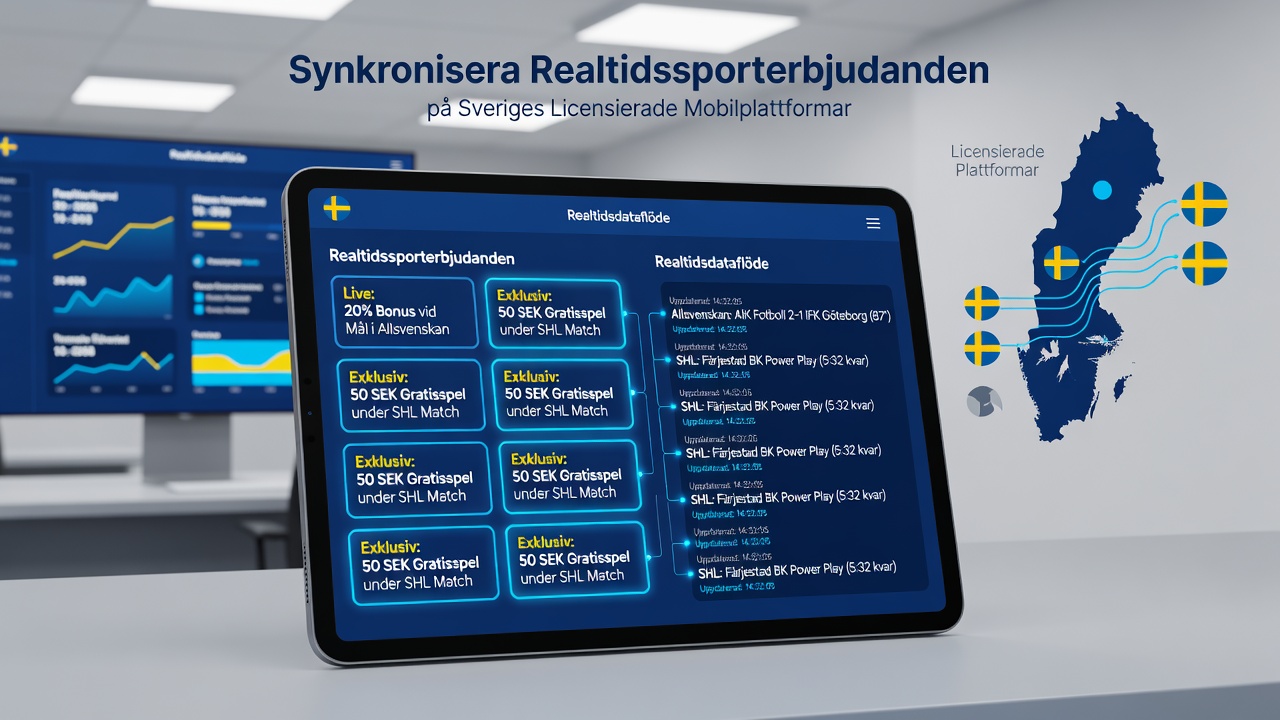
Take one typical workflow where a platform receives a goal notification from the data feed at 19:42 during a match, and the system immediately queries the user database for accounts that qualify under an ongoing cashback promotion tied to that specific league, after which eligible users see updated balance information within the app interface within four seconds of the event confirmation.
Another case involves basketball games where real-time player statistics feed into loyalty point multipliers, and observers note that the synchronization relies on conditional statements written in backend scripting languages that evaluate each incoming packet against stored promotional schedules, while mobile clients poll secondary endpoints every thirty seconds to maintain display consistency across varying network conditions.
Data Latency Management
Latency remains a critical factor in these systems because promotional offers lose value if they activate after the corresponding live event has concluded, and engineers address this through edge computing nodes located near major data centers in Stockholm and Gothenburg that preprocess feeds before routing them to central bonus engines.
Platforms conduct regular synchronization tests that simulate peak loads from events like Allsvenskan matches, and findings from these tests reveal average end-to-end delays of under 800 milliseconds when using optimized protocols, whereas fallback mechanisms switch to cached data snapshots if primary connections drop below acceptable thresholds.
Future Adjustments Around September 2026
Industry documentation indicates that several Swedish operators plan to implement enhanced data encryption standards for live feeds by September 2026 in response to updated EU digital services guidelines, and these changes will require revised synchronization protocols that maintain promotional offer integrity while incorporating additional verification steps for user eligibility checks.
Research from academic institutions studying gambling technology shows that mobile platforms in regulated markets continue to refine their data pipelines to accommodate higher volumes of simultaneous live events, and Swedish licensees participate in collaborative working groups that share best practices for minimizing desync incidents across different device operating systems.
Conclusion
The synchronization of real-time sports data with promotional offers on Sweden's licensed mobile platforms depends on precise technical integrations, regulatory compliance measures, and ongoing infrastructure refinements that keep pace with evolving standards, and continued monitoring of these processes through September 2026 and beyond will determine how effectively operators maintain seamless delivery of conditional rewards tied directly to live sporting outcomes.