Swedish Licensing Rules Shape Bonus Eligibility Timelines for Multi-Event Sports Wagers in Approved Mobile Apps
Dana Schmid · Oct 29, 2026
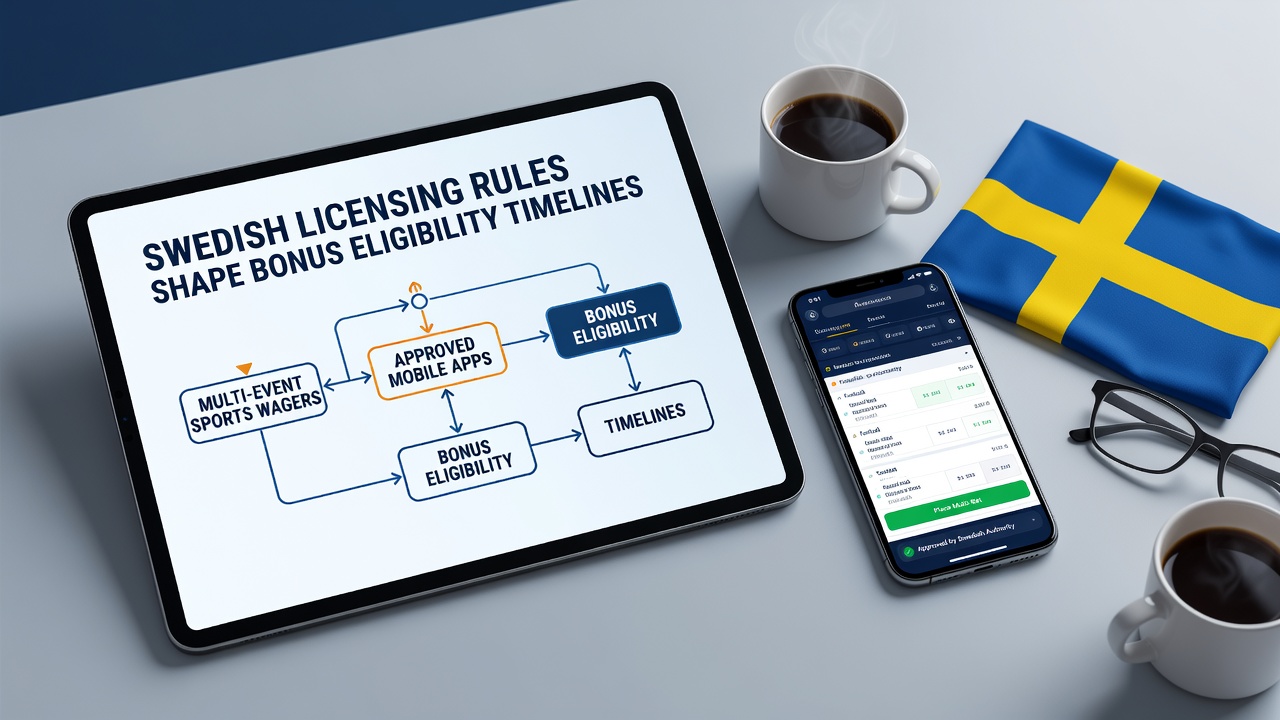
Swedish Licensing Rules Shape Bonus Eligibility Timelines for Multi-Event Sports Wagers in Approved Mobile Apps
Swedish licensing rules establish clear parameters around bonus eligibility for multi-event sports wagers placed through approved mobile applications, with timelines tied directly to wager completion and settlement cycles. These frameworks, administered by the national authority, require operators to align promotional structures with verification processes that account for the staggered resolution of accumulator bets. Data from regulatory filings indicate that such bets often span multiple matches or events, extending the period before bonus conditions can be fully assessed.
Core Licensing Requirements for Accumulator Bets
Approved operators must ensure that bonus offers tied to multi-leg wagers meet specific criteria before any rewards become available. Each leg in an accumulator contributes to overall eligibility only after individual events conclude, and licensing mandates verification that all components satisfy responsible play standards. Studies from European gaming oversight bodies show that this sequential settlement creates distinct timelines compared to single-event bets, often stretching eligibility checks across days or weeks depending on the sports calendar.
Operators integrate these rules into mobile platforms through automated tracking systems that monitor wager status in real time. When users place accumulators, teh system logs each leg's outcome and calculates cumulative progress toward bonus thresholds. This approach prevents premature reward distribution while maintaining compliance with national standards that limit bonus frequency and value.
Timeline Mechanics in Mobile Environments
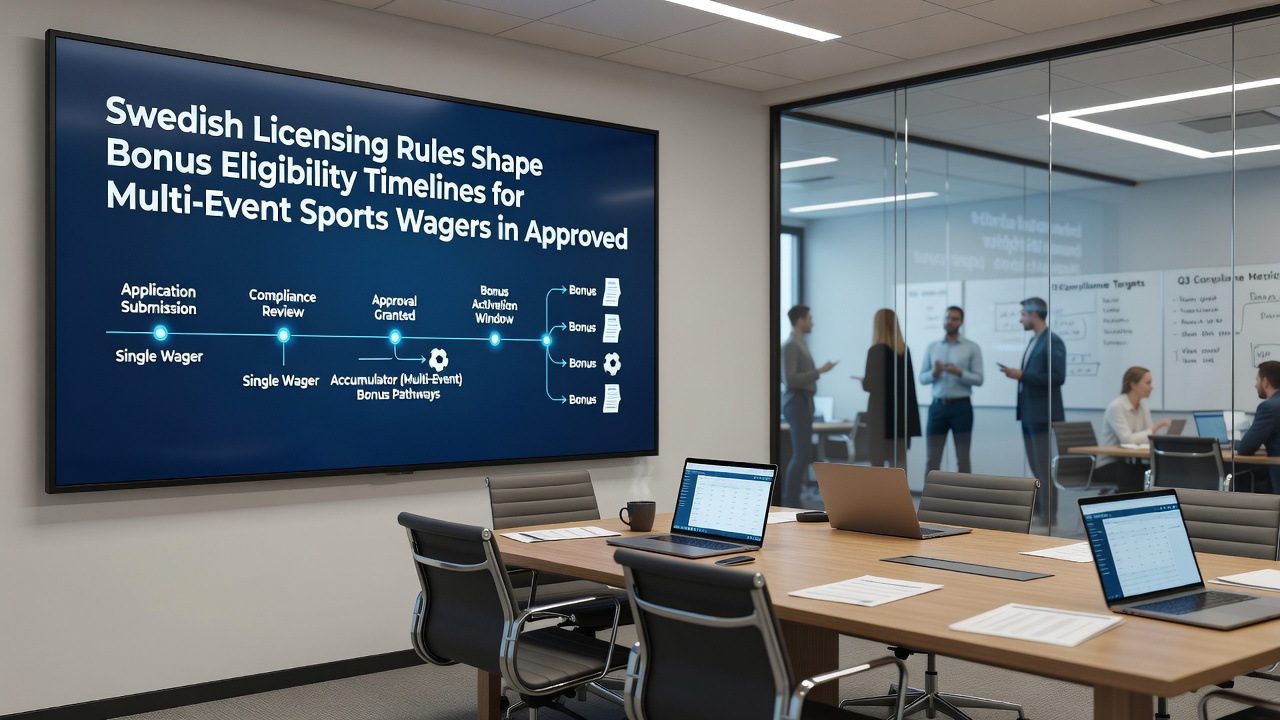
Eligibility timelines begin at wager placement and extend through final settlement of the last leg. Licensing provisions specify that bonus credits activate only after full confirmation, which includes cross-checks against user account details and deposit history. In practice, a four-leg football accumulator might require up to several days for all matches to finish, after which an additional processing window applies before funds appear in the account.
Research from academic institutions in Canada highlights how these extended periods influence player behavior patterns across regulated markets. Mobile apps display progress indicators that update as each event resolves, giving users visibility into remaining conditions without violating disclosure rules. Figures from industry reports reveal that operators adjust promotional calendars around major sports seasons to align with these settlement realities.
Regulatory Oversight and Verification Processes
Spelinspektionen guidelines require operators to implement layered checks that verify both wager integrity and user eligibility before releasing any associated bonuses. These checks encompass identity confirmation, deposit source validation, and adherence to wagering limits. For multi-event wagers the process pauses at each unresolved leg, creating natural breakpoints that extend overall timelines.
Observers note that this structure reduces disputes over bonus claims by ensuring all data points are confirmed. In October 2026 the authority introduced refined reporting requirements that track accumulator settlement durations more precisely, allowing better oversight of how promotional offers interact with live sports data feeds. Licensed platforms updated their systems accordingly to maintain seamless user experiences while meeting these enhanced standards.
Integration with Responsible Gambling Measures
Licensing rules embed responsible gambling protocols directly into bonus eligibility flows for multi-event bets. Mobile applications must pause bonus progression if risk indicators appear during the settlement period, such as extended play sessions or deposit patterns. This integration ensures that timelines for reward release incorporate mandatory cooling-off intervals where applicable.
Reports from Australian research centers document similar patterns in other regulated jurisdictions, confirming that staggered wager resolutions provide built-in opportunities for such safeguards. Swedish operators apply these protocols uniformly across approved apps, with automated alerts notifying users of pending verifications without disrupting the core betting interface.
Practical Examples from Licensed Platforms
Take one operator handling Nordic users who noticed that accumulator bonuses for tennis events often finalize faster than those involving winter sports due to shorter match durations. Another case involved experts reviewing data where football accumulators spanning weekend fixtures triggered eligibility reviews that extended into the following week. These examples illustrate how event scheduling directly shapes the duration before bonuses become accessible.
Platforms maintain transparent logs of each step, allowing users to track progress through account dashboards. Licensing enforces that all such information remains accurate and up to date, preventing mismatches between advertised timelines and actual processing.
Conclusion
Swedish licensing frameworks continue to define precise bonus eligibility timelines for multi-event sports wagers by anchoring them to wager settlement sequences and verification protocols. Approved mobile apps reflect these requirements through structured tracking and compliance features that support both operator obligations and user transparency. As regulatory updates like those implemented in October 2026 take hold, the alignment between accumulator structures and promotional mechanics remains a central element of the licensed market. Swedish Gambling Authority documentation and Australian gambling research reports provide further detail on these evolving standards.